From buzz to delivery: What I'll be looking out for at UKREiiF 2026
From buzz to delivery: What I'll be looking out for at UKREiiF 2026
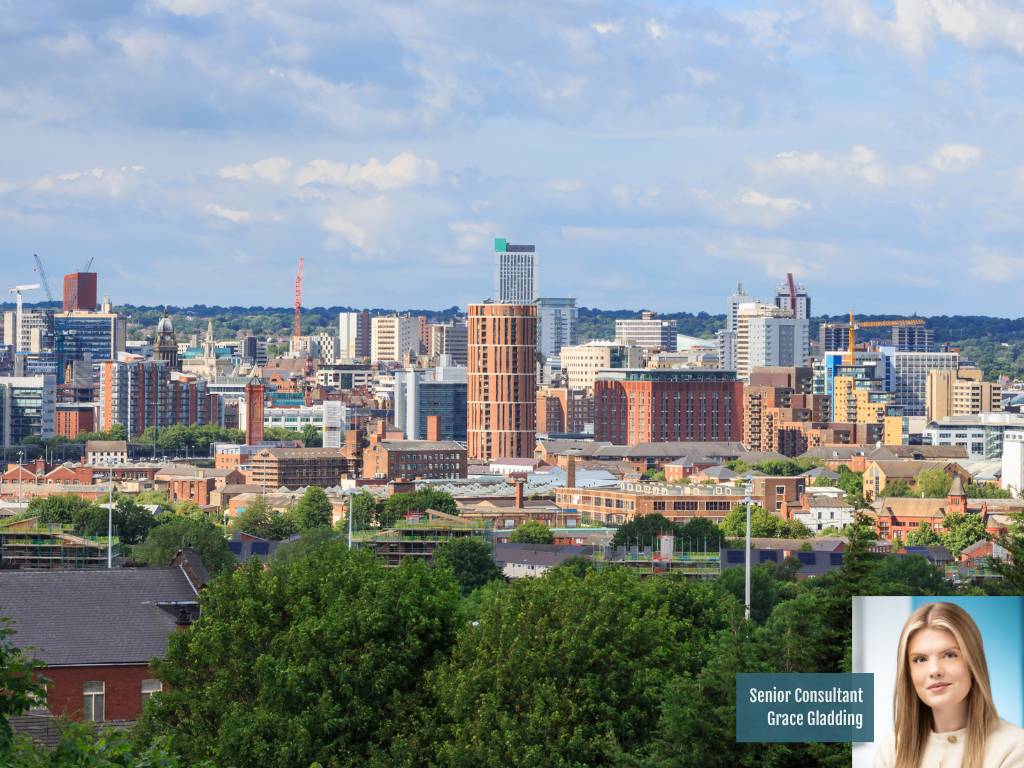
Last year, I left Leeds energised. UKREiiF 2025 had all the hallmarks of an industry hitting its stride - 16,000 delegates, ministerial firepower, and a shared sense of purpose around the Labour Government's ambition to deliver 1.5 million new homes. It was, as many said, the “Glastonbury of the built environment”.
Twelve months on, as the industry prepares to return to Leeds on 19–21 May, the question I'll be asking is whether the buzz has become momentum, or has reality started to bite?
Ambition is not the same as delivery
The aspiration to build at scale has never been in doubt. What is now being tested is the viability of that ambition in a landscape that has shifted considerably with rising construction costs, supply chain pressures, planning resource constraints, and an investment environment that demands greater certainty before committing capital. The plans are on the table. The rhetoric is familiar. But I'll be listening closely for the industry's honest assessment of what is actually viable to deliver, where, and at what cost. A conversation that matters far more than being restricted to post-conference headlines on LinkedIn.
Building for people, not just places
Grand announcements about new towns, new infrastructure, and regeneration programmes make for excellent conference theatre. But they risk becoming an echo chamber if the people most affected by these decisions - residents, young people, local communities - remain absent from the room.
One of the most striking moments from last year was the reminder that nobody should be considered "hard to reach", and that meaningful engagement means bringing the conversation to people, not expecting them to find their way to it. That principle stuck with me. And yet, too often, the industry still defaults to the pre-baked cake model. Arriving in communities with a plan largely already formed, to seek endorsement rather than genuine, local input.
If UKREiiF is to reflect the full ambition of what the built environment can achieve, I hope to see community engagement move from a fringe discussion to a front-and-centre one amongst delegates and policymakers. Not as a tick box exercise for planning applications, but as a key risk management tool. The schemes that will succeed are those that bring people with them from the outset.
Taking the conversation beyond the conference
The relationships built in Leeds are real and valuable. But the gap between what is said at UKREiiF and what is felt by the communities where development is proposed remains wide.
The challenge for the industry - and one I hope shapes this year's agenda - is not just what we discuss in the conference halls, but how meaningful engagement becomes an integral part of the discourse. How do we translate the energy of UKREiiF into engagement strategies that reach people who have never heard of it, and never will? That, to my mind, is where the real work begins.
I'm looking forward to returning to Leeds later this month and continuing the conversation with industry leaders, policymakers and developers. The real test now is whether 2026 is the year we move from talking about what we want to build, to honestly confronting how we get there.
If you or someone you know will be attending UKREiiF, please feel free to get in touch to arrange a coffee.