Meeting the renewable energy challenge
Meeting the renewable energy challenge
The proportion of electricity generated by renewables in Britain hit a new record high in 2025.
Solar power saw the greatest increase, up by nearly a third compared to 2024, while wind was the biggest single renewable source of electricity generation, thanks in the main to turbines offshore.
The provisional figures, from the National Energy Systems Operator (Neso), show the overall proportion of electricity generated from renewables in 2025 in Britain hit an impressive 47% last year.
But that still leaves a big gap between where we are now and the Government’s target of 95% of electricity generated from non-fossil fuels by 2030 – just four years away. Solar offers the greatest opportunity to bridge that gap and the technology is well-advanced.
What’s needed are the landowners ready to host the panels and other infrastructure to tap into this proven source of renewable energy which is both environmentally friendly and provides a good return on investment.
Yet while many farmers and landowners with less productive land ideal for solar panels are keen to help Britain reach its renewables targets, there are challenges.
The Government is supportive of solar installations and Secretary of State for Energy and Net Zero Ed Miliband is keen to fast-track proposals and issue the necessary permissions. But many landowners who have already trodden this path know only too well of the difficulties.
Local opposition can be fierce. Estate owners keen to maintain good relations with their neighbours are understandably anxious to avoid conflict with those vehemently opposed to their plans.
There are no shortcuts to winning community support for a renewables project. But there are strategies that can ease the pain. Even if it proves impossible to convince everyone in a community to back a project, being open and engaged can significantly reduce conflict.
Landowners who already have good relations with their communities and stakeholders are at an immediate advantage when it comes to submitting a proposal for a renewable energy project.
Positive communications over many years between estate owners and their communities that build trust and confidence pay dividends. Advice and support from professional communications specialists can make the difference between success or failure when a plan for a solar installation is submitted.
Early engagement on a proposal is also essential. No one likes surprises and while negotiations with renewable companies and the rules around Nationally Significant Infrastructure Projects (NSIPs) can sometimes restrict how much can be revealed, being as open as possible with neighbours and stakeholders is always the best course – particularly with professional communications support.
There are many examples of the pain suffered by landowners who failed to fully appreciate the impact news of a major renewables project would have on their local community. It can be a shock and quickly become personal – particularly for families with a long history of running an estate where little might have changed for decades, even centuries.
But the generally accepted belief that a majority of the population feels disinclined to support projects designed to tackle climate change, because of the potential to restrict freedoms and alter the countryside, is being challenged.
New research led by Lisa-Maria Tanase, an academic at the University of Cambridge, has shown that politicians underestimate the support across the population for a range of measures aimed at helping the environment, from raising the cost of short-haul flights to installing solar panels.
The impact of climate change, from flood to drought, heatwave to storm, is becoming ever more obvious. As ordinary people find their lives are being affected by these changes their willingness to back measures to mitigate those impacts becomes greater – even in their own backyards.
It is a challenging time to be a farmer or a landowner and making every asset pay is a priority if rural communities are to survive and prosper. Diversification is now widely accepted as the only way to continue to earn a living from the land.
With Government support for renewable energy stronger than it has ever been, producing electricity from solar panels becomes an attractive option for many landowners, alongside continuing to grow crops and rear livestock.
Those taking the plunge into renewable energy need to be brave and strong – and they need to be prepared for the response they may get from some in their communities. But they also need to know that with a well thought through communications strategy, they can set out a powerful case for why what they are doing is right.
Roy Cox, Managing Director of Blenheim Palace Estates, which is providing the land for the 840 megawatt Botley West solar farm, one of the biggest in the country, knows better than most the controversy that can be generated when such a scheme is unveiled.
He told KOR Communication’s Estate Matters podcast last year that the criticism “could be challenging.” But his own experience supports the findings of the Cambridge University Research.
“There is a very, very small proportion of local communities who are against this project. The overwhelming majority of them support the project, understand the arguments and frankly just want us to get on with it now,” he told podcast host Anna Byles and KOR’s Senior Consultant for Public Affairs, Andrew Howard.
And Roy is adamant that history will be on the side of the estates, landowners and farmers who make the continued growth in renewable energy capacity possible – particularly when the positive impact it will have on the climate and lower energy prices becomes clearer.
“I’m pretty confident that when people look back on us in 40 years’ time they will say ‘why didn’t you do that sooner; why didn’t you do that larger,” he said.
That’s a powerful message to all those landowners considering their next steps in diversification and looking to do the right thing, for their rural businesses and the planet.
All they need is the support to get the communications right and they too can put themselves on the right side of history.
If you need communications support for a renewable energy project, KOR Communications has wide experience in the sector. Email us at hello@korpr.co.uk
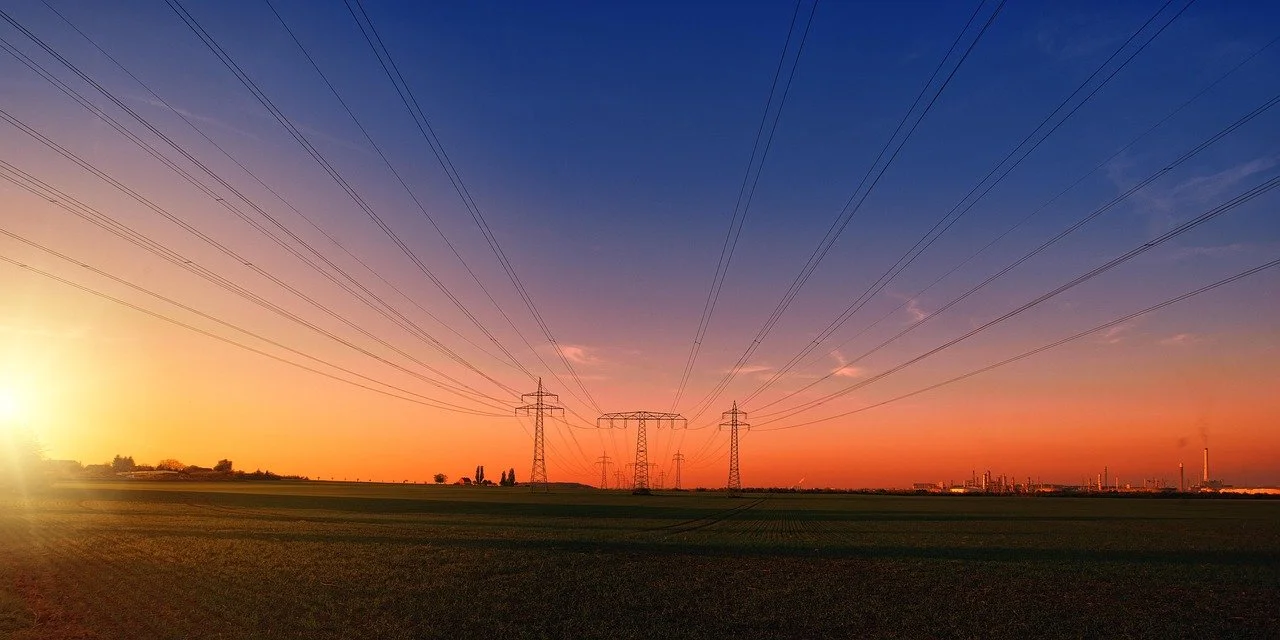
Image - Joe from Pixabay