War puts new perspective on Chancellor’s Spring Statement
War puts new perspective on Chancellor’s Spring Statement
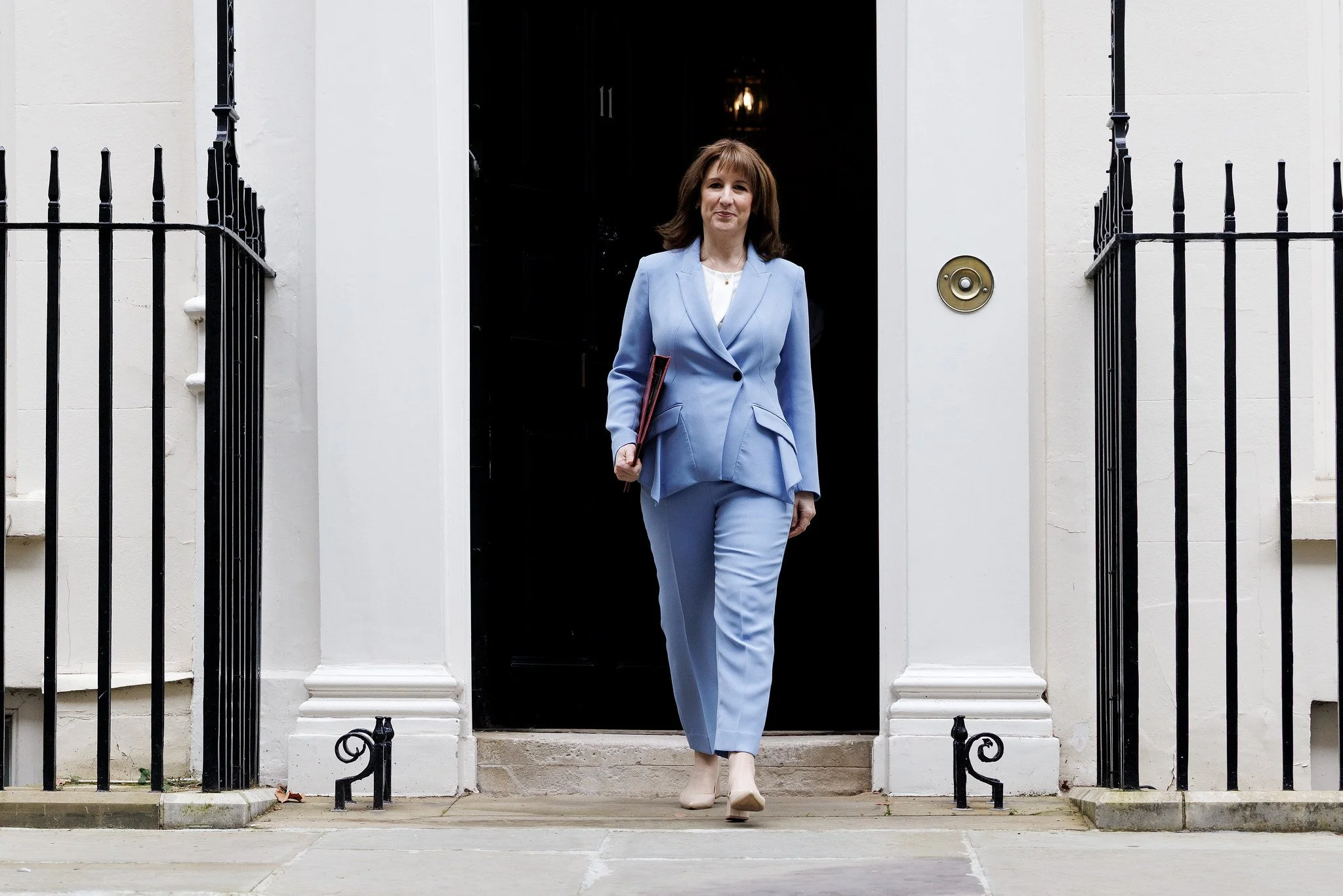
Managing expectations is a key political skill and Chancellor Rachel Reeves had already dialled down any potential excitement about her Spring Statement, even before she set off from Downing Street for the House of Commons. In the event what happened in the Chamber was even less dramatic than most of us had been expecting.
She was able to point to a levelling off in the rate of inflation, hitting the 2% target later this year, Government borrowing falling by nearly £18 billion, and growth in the economy, although by less than had been originally hoped at just 1.1per cent this year. So far, so predictable.
All the drama, however, was happening thousands of miles away as the US and Israeli attacks on Iran continued and Tehran hit back at US and Allied targets across the Middle East.
And it is the war, not the Chancellor’s attempt at upbeat messages, that will have the biggest effect on the economy, particularly those parts – including the land, property and agriculture sectors - which are exploring ways to reduce their reliance on oil and gas, through renewable energy projects.
Economists watching the Chancellor’s speech were concentrating just as hard on the energy markets as they were on the words of Rachel Reeves – correctly assessing that it’s the rising cost of oil and gas and restrictions on ship movements in the Straits of Hormuz, that will have a far greater impact on everything, from business investment to the cost of living, than anything the Chancellor has to say.
Before Donald Trump’s dramatic intervention in an already volatile Middle East there was evidence that the UK economy was settling down.
Critics will still argue that a range of measures imposed by the Treasury, from freezing income tax allowances to hiking business rates, employer national insurance levels and the minimum wage, are all dragging down business.
But the Spring Statement gave the Chancellor and the Office for Budget Responsibility (OBR) an opportunity to point to a steadying ship. All that has changed now, with the outbreak of a highly unpredictable war.
What was it that Harold Macmillan, Britain’s Prime Minister from 1957 to 1963, suggested was the biggest challenge facing any statesman – or woman? “Events, dear boy.” It will be how the Chancellor and the Prime Minister manage the impact of the war on the UK economy that will matter more now than any careful predictions from the OBR. We are, once again, in uncharted waters, politically and economically.
Image - HM Treasury