UKREiiF 2026: Reflections from Leeds
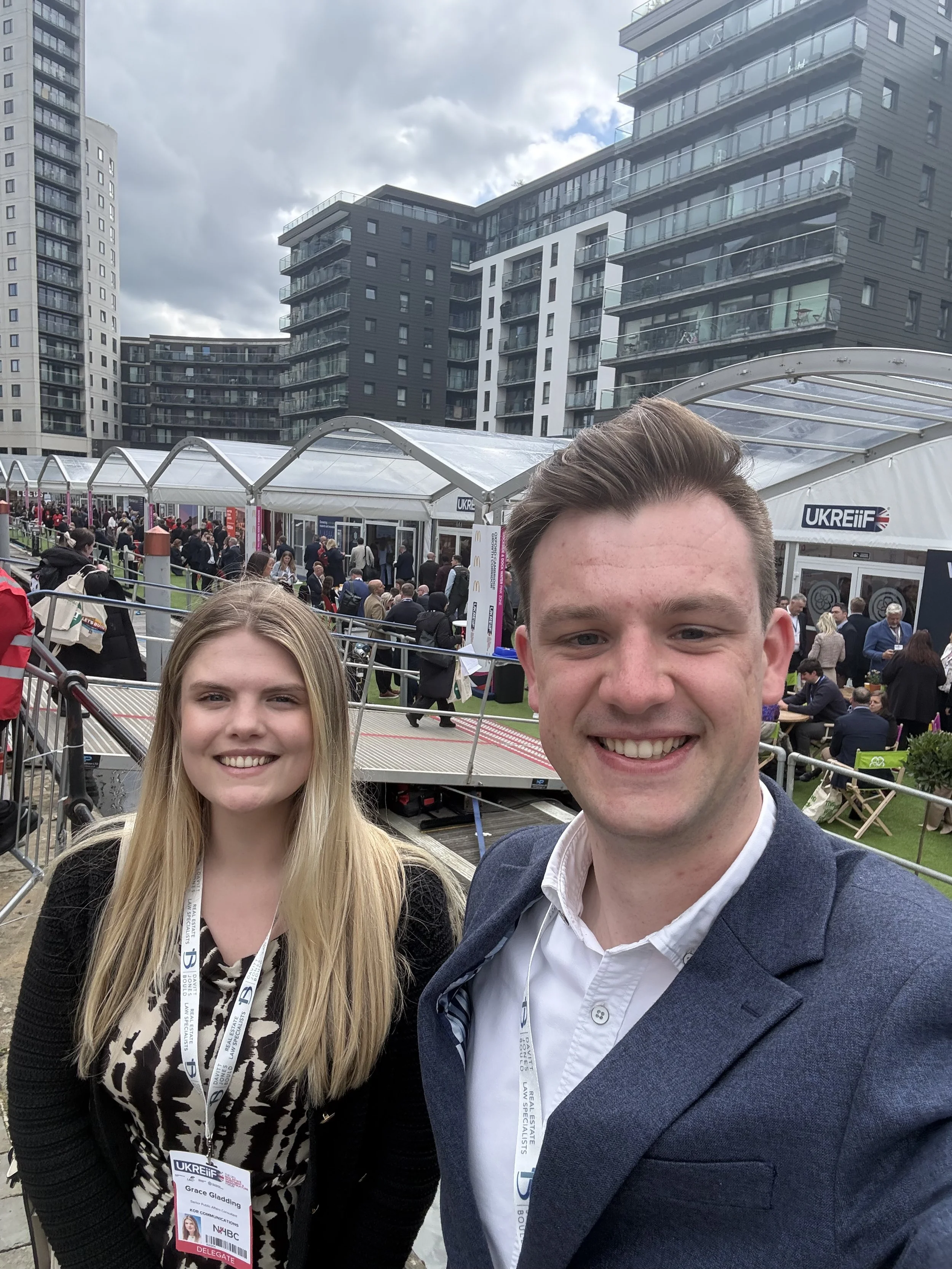
Harry Newton and Grace Gladding at UKREiiF 2026
UKREiiF 2026: Reflections from Leeds
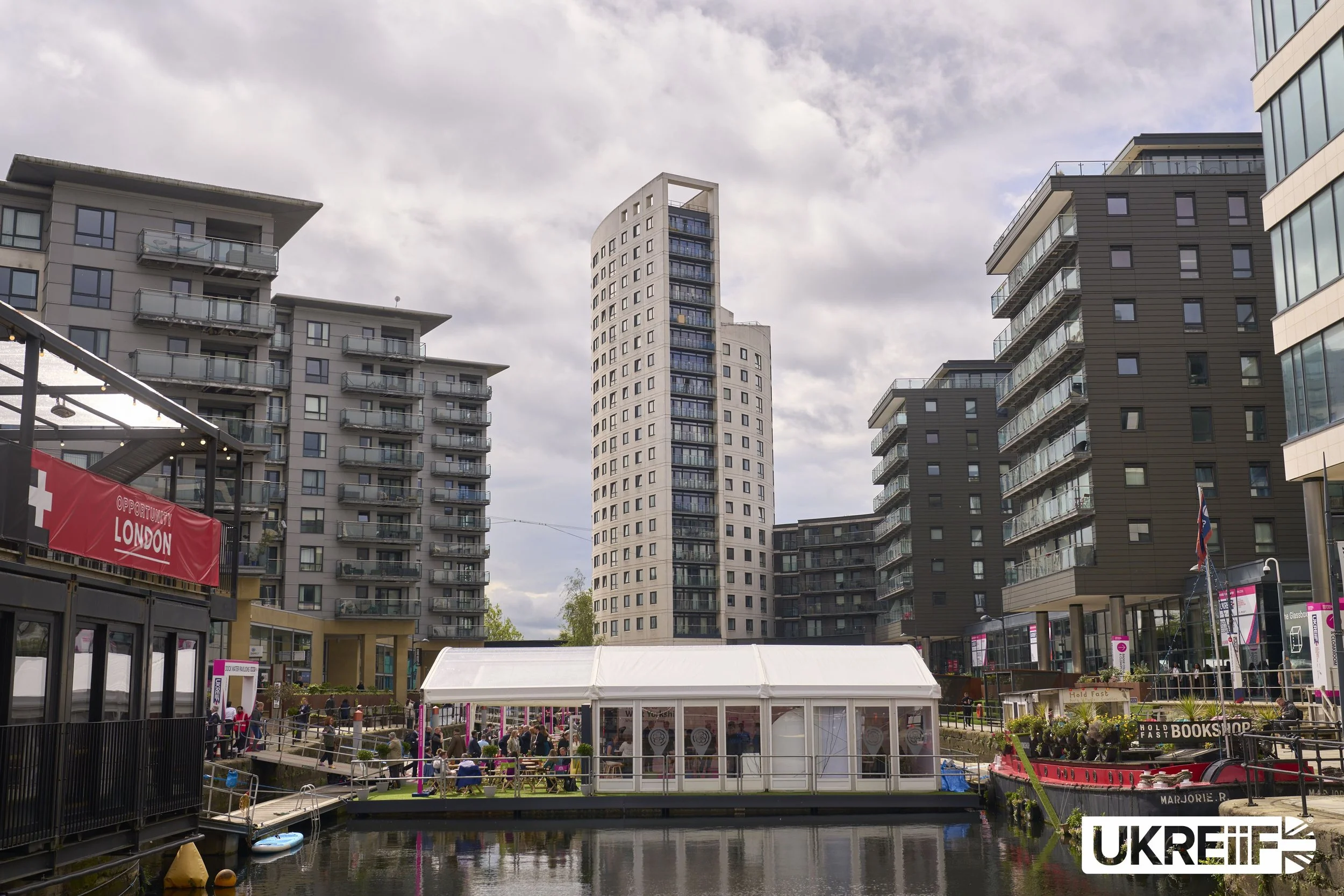
UKREiiF returned to Leeds last week and, as ever, it was a useful place to gauge where the development sector's head is at. The scale of ambition on display was familiar. What felt different this year was the focus on delivery, and specifically, what it takes to get schemes consented and built.
Viability was the common thread running through many of the discussions. Higher costs and political uncertainty at the heart of government with a possible leadership contest on the horizon, create a challenging environment for projects from concept to planning consent, and ultimately to on-site delivery. Even schemes with strong policy support can become unviable when exposed to delays, redesign or prolonged uncertainty, and the margin available to absorb those risks is thinner than it used to be.
That is driving the sector to think differently, bring forward plans incrementally, and a more honest acknowledgement that policy direction alone cannot remove commercial exposure or speed up delivery. What we heard consistently in Leeds was a desire for greater clarity earlier in the process, from those allocating capital and those responsible for delivery.
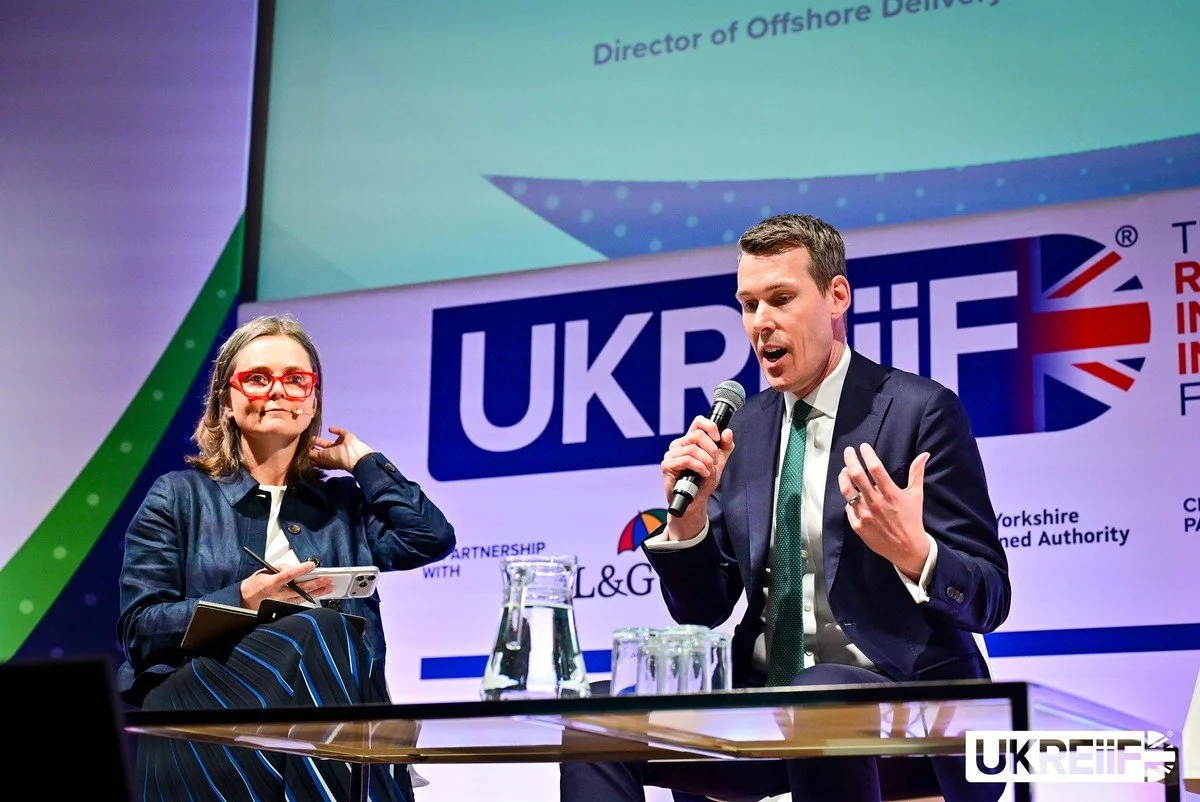
Against that backdrop, early community engagement is one of the key tools to help de-risk projects. When a scheme meets resistance in the planning process, the consequences can extend beyond reputational damage to design changes, rising costs and, in some cases, stalling altogether. Early engagement with the local community and stakeholders can help reduce this uncertainty, and with tighter conditions for delivery, that matters more than ever.
Speaking following his first visit to UKREiiF, Senior Account Executive Harry Newton said: "UKREiiF is useful for taking the temperature of the sector and it is clear this year that viability was the thread running through almost every conversation. There is plenty of ambition out there, but with costs still high and the national political picture shifting, the focus is firmly on what can genuinely be delivered, and delivered well."
Whilst the government’s housing targets of 1.5 million new homes is ambitious, the sector remains optimistic in meeting demand. What is changing is the level of scrutiny being applied to deliverability, and a growing willingness to be honest about what stands in the way. Following the recent local elections on 7 May, some of the 5,000 councillors will have been elected for the first time and will be stepping straight into key decision-making roles when it comes to planning applications. Therefore, early engagement with planning authorities becomes especially vital. If the last few years were defined by momentum and scale, this year felt defined by the harder, more considered work of turning conceptual plans into projects, with viability and early engagement vital in de-risking a scheme at the very outset.